
Contract Instructional Technologists

Need experienced instructional technologists who combine learning design, development and technology expertise?

TrainingFolks provides contract instructional technologists who help organizations design, develop and implement effective digital learning solutions. Whether you are adopting new learning technologies, incorporating AI into learning development, modernizing existing training programs or accelerating a critical learning initiative, our consultants bring the specialized expertise and additional capacity your team needs.

Contact Us

Instructional Technologist Services

Need experienced instructional technologists to turn learning requirements into effective digital training?

TrainingFolks connects organizations with skilled instructional technologists who combine instructional design expertise with eLearning development and learning technology skills. From learning needs analysis and storyboarding to interactive course development, implementation, and evaluation, our consultants help you create engaging training experiences that support employee performance and business goals.

Contact Us

Bridging Learning Design and Technology

As learning technologies continue to evolve, organizations need professionals who understand both how people learn and how technology can improve the way training is designed, developed and delivered.

Contract instructional technologists bring together instructional design, eLearning development and technical expertise. They help learning and development teams evaluate new technologies, incorporate AI into learning development workflows, create interactive digital learning experiences and ensure training works effectively across learning platforms.

Whether your organization is modernizing legacy training, introducing new learning technologies or managing multiple learning initiatives with limited internal resources, an experienced instructional technologist can help move projects forward.

TrainingFolks provides contract instructional technologists who can work within your existing learning technology environment, collaborate with internal teams and bring fresh technical expertise without the need to increase permanent headcount.

right-arrow-open

Instructional Technologist Experience Levels

Modern Level 1 Corporate Infographic-1
eLearning Module Development and Production Support

Instructional Technologist - Level I

Level I instructional technologists support the development of individual eLearning modules using established instructional designs, existing content, and client-approved development tools.

These professionals collaborate with learning teams and subject matter experts to develop engaging digital learning experiences that align with learning objectives and organizational standards.

Typical Responsibilities

  • Develop eLearning modules using existing storyboards, templates, and source materials.
  • Collaborate with subject matter experts to clarify content and learning objectives.
  • Create interactive learning activities and knowledge assessments.
  • Apply approved instructional design and development standards.
  • Update and revise learning materials based on stakeholder feedback.

Experience and Qualifications

Typically less than three years of eLearning design and development experience, with foundational instructional design knowledge, basic instructional design training or certification, and proficiency with common development and productivity tools.

Best Suited For

Organizations requiring support with individual eLearning modules, existing course updates, and projects with established instructional designs.

Level 2 with Layered Blue Waves-2
Instructional Design and Multi-Module eLearning Development

Instructional Technologist - Level II

Level II instructional technologists bring greater experience in learning analysis, instructional design, and eLearning development. They work closely with business stakeholders and learning teams to develop training that addresses identified knowledge and performance gaps.

These consultants can manage more complex development requirements, support multiple learning modules, and provide guidance throughout the instructional design and development process.

Typical Responsibilities

  • Conduct learning needs analysis and identify learning and performance requirements.
  • Consult with project managers, learning leaders, and subject matter experts.
  • Develop learning objectives, content outlines, storyboards, and eLearning modules.
  • Design interactive learning activities and assessments.
  • Support the integration of learning modules into production environments.
  • Coordinate the development of multiple modules and guide other development team members.
  • Recommend improvements to instructional design approaches, templates, and development practices.

Experience and Qualifications

Typically three to seven years of eLearning design and development experience, with a relevant undergraduate degree, experience developing multi-module training programs, and the ability to collaborate with cross-functional teams.

Best Suited For

Organizations developing multi-module training programs, converting existing training into eLearning, or requiring additional instructional design and development expertise.
Level 3 Navy Teal Banner-3
Strategic Learning Design and Technology Consulting

Instructional Technologist - Level III

Level III instructional technologists provide senior-level expertise for complex learning initiatives that require instructional strategy, advanced development capabilities, and alignment with organizational performance goals.

These experienced consultants partner with business leaders, HR teams, and learning departments to analyze performance challenges, develop learning strategies, and guide the design and implementation of effective training solutions.

Typical Responsibilities

  • Assess organizational learning needs and identify performance gaps.
  • Develop learning strategies aligned with business objectives.
  • Consult with senior leaders and learning teams on instructional approaches and learning technologies.
  • Design learning architectures, program structures, and implementation plans.
  • Lead complex instructional design and eLearning development projects.
  • Provide guidance to instructional designers and learning development teams.
  • Evaluate learning effectiveness and recommend improvements.
  • Support enterprise learning initiatives involving multiple departments or business units.

Experience and Qualifications

Typically seven or more years of eLearning design and development experience, with advanced instructional design knowledge, experience leading complex learning initiatives, and strong consulting and stakeholder management capabilities.

Best Suited For

Organizations undertaking enterprise learning initiatives, complex eLearning programs, learning strategy projects, or major training transformations.

Instructional Technologist Expertise & Capabilities

Instructional technologists bring together learning design, digital development and technology expertise to help organizations improve how training is created, delivered and maintained.

TrainingFolks provides contract instructional technologists who can support existing learning and development teams, introduce new capabilities and accelerate the delivery of business-critical training initiatives.

Instructional Design & Digital Learning Development

Combining sound instructional design principles with hands-on development expertise to create interactive eLearning, simulations, assessments and multimedia learning experiences that support employee performance.

AI-Enabled Learning Development

Helping organizations incorporate AI-powered tools into learning development workflows, accelerate content creation, streamline production processes and develop training that supports enterprise AI adoption while maintaining instructional quality and responsible AI practices.

Learning Technology Evaluation & Implementation

Evaluating and implementing learning technologies, authoring tools and digital learning platforms based on organizational requirements, existing technology environments and long-term learning objectives.

Training Modernization & Digital Transformation

Transforming outdated training materials, classroom programs and legacy eLearning into modern digital and blended learning experiences that are easier to deliver, update, maintain and scale across the organization.

Learning Technology & LMS Integration

Ensuring digital learning content functions effectively across learning management systems (LMS), learning experience platforms (LXP) and enterprise learning environments, including SCORM and xAPI compatibility, publishing, testing and troubleshooting.


Expanding Your Learning Design & Development Capabilities

Developing effective corporate training requires a balance of learning science, instructional design, creativity and technology. However, many learning and development teams face competing priorities, limited development capacity and increasingly demanding project timelines.

Contract instructional technologists bring a versatile combination of skills that allows them to support multiple stages of the learning development process. From conducting learning needs analysis and defining measurable learning objectives to developing storyboards, designing assessments and building interactive learning experiences, they help maintain alignment between business requirements, instructional strategies and the finished training program.

Working as an extension of your project team, instructional technologists collaborate with subject matter experts, business stakeholders, project managers, learning leaders and technical teams to gather requirements, validate content, manage feedback and develop training that reflects how employees work.

Their understanding of adult learning theory, cognitive load, knowledge retention and learning transfer helps inform how training should be structured and delivered. This is particularly valuable when developing blended learning programs that combine instructor-led training, virtual learning, eLearning, microlearning and on-the-job performance support.

Whether your organization needs to accelerate training development, introduce AI-enabled development practices, modernize existing learning programs or expand its internal capabilities, TrainingFolks provides contract instructional technologists who can support your team without increasing permanent headcount.

Finding the Right Instructional Technologist for Your Organization

Not all instructional technologists bring the same balance of instructional design, technical expertise and consulting skills. Some excel at transforming complex subject matter into effective learning experiences, while others bring advanced development capabilities, multimedia expertise or experience implementing emerging learning technologies.

Finding the right fit starts with understanding your project, your team and the business outcomes you need to achieve.

TrainingFolks brings experience across the corporate learning lifecycle, from learning strategy and instructional design through development, delivery and evaluation. This gives us a practical understanding of the technical, instructional and interpersonal skills required to contribute to successful learning initiatives.

When identifying contract instructional technologists, we consider their experience with adult learning principles, instructional design methodologies, storyboard development, assessment design, authoring tools, blended learning, digital accessibility and learning platforms.

Equally important is their ability to build relationships with stakeholders, facilitate SME working sessions, ask the right questions, translate complex information into meaningful learning experiences and respond effectively to feedback throughout the development process.

We look for professionals who can integrate into your project team, adapt to your organization's development standards, take ownership of assigned deliverables and work collaboratively to keep learning initiatives moving forward.

Where Contract Instructional Technologists Make an Impact

Organizations engage contract instructional technologists when their learning initiatives require additional development capacity, a broader combination of instructional and technical skills or specialized expertise that may not exist within their current teams.

From individual course development assignments to enterprise-wide learning initiatives, instructional technologists can contribute across multiple stages of a project, helping reduce handoffs between resources and maintain consistency throughout the learning development process.

Examples of Instructional Technologist Staffing Engagements

  • Working directly with client project teams, business stakeholders and subject matter experts to gather requirements, capture institutional knowledge and develop training aligned with business objectives.
  • Translating business requirements and performance gaps into measurable learning objectives, instructional strategies, detailed storyboards and assessments.
  • Designing and developing blended learning programs that combine digital learning, classroom instruction, virtual training and workplace application.
  • Applying evidence-informed learning practices, including scenario-based learning, spaced repetition, retrieval practice and reinforcement strategies.
  • Facilitating content reviews, managing stakeholder feedback and maintaining instructional accuracy throughout the development process.
  • Converting traditional instructor-led training and legacy learning materials into modern, accessible and scalable digital learning experiences.
  • Leveraging AI-powered development tools to accelerate storyboarding, content development, multimedia production and training updates while maintaining instructional quality.
  • Developing employee learning programs that support AI adoption, software implementations, digital transformation and organizational change.
  • Collaborating with instructional designers, eLearning developers, trainers, change management consultants and LMS administrators on complex learning initiatives.
  • Providing dedicated contract instructional technologists or scalable development teams to meet critical deadlines, manage large training initiatives and address temporary resource gaps.

Need to Upskill Your Workforce and Develop Training Faster?

Whether you're rolling out new technology, preparing employees for AI adoption, launching a business transformation or facing critical training deadlines, having the right learning and development resources in place can make all the difference.

TrainingFolks provides experienced contract instructional technologists who can integrate into your project team, collaborate with subject matter experts and accelerate training design and development without compromising instructional quality.

Whether you need one dedicated consultant or a team of instructional technologists, connect with us to discuss your training priorities, resource requirements and project timelines.

Contact Us

Frequently Asked Questions

What is an instructional technologist and what do they do?

An instructional technologist is a learning and development professional who combines instructional design, adult learning science and technology expertise to design, develop and implement effective training programs.

In a corporate learning environment, instructional technologists work with subject matter experts, project teams and business stakeholders to identify learning needs, establish measurable learning objectives, develop storyboards, create assessments and build interactive learning experiences.

Their responsibilities may include eLearning development, blended learning design, multimedia production, learning technology integration and the evaluation of training effectiveness. Instructional technologists, sometimes referred to as learning technologists or instructional technology specialists, help organizations select and apply the right instructional approaches and technologies to improve workforce performance.


What is the difference between an instructional designer, an instructional technologist and an eLearning developer?

The primary difference between these three learning and development roles is their focus within the training design and development process.

  • Instructional designers focus on learning needs analysis, instructional strategies, learning objectives, content structure, storyboarding and assessment design.
  • eLearning developers focus on building interactive digital courses, simulations, multimedia and assessments using authoring tools and development technologies.
  • Instructional technologists combine instructional design and hands-on development expertise with an understanding of learning technologies, allowing them to contribute across multiple stages of a training project.

Organizations often engage instructional technologists when they need a versatile resource who can take training from initial concept through design, development and implementation, helping reduce handoffs between specialized resources.

The right role depends on the complexity of the learning initiative, existing team capabilities and project timelines.


How do I find experienced contract instructional technologists?

Organizations can find experienced contract instructional technologists through specialized learning and development staffing companies, such as TrainingFolks, that understand the instructional, technical and consulting skills required for corporate training projects.

When selecting an instructional technologist, organizations should consider their experience with adult learning principles, instructional design methodologies, storyboard development, digital learning authoring tools, learning management systems and relevant industry experience.

It is equally important to assess their ability to collaborate with subject matter experts, integrate into existing project teams, manage feedback and take ownership of assigned deliverables.

TrainingFolks helps organizations identify contract instructional technologists based on their specific learning requirements, technology environment, project duration and development timelines. This allows organizations to access specialized expertise without the commitment of adding a permanent employee.

When should an organization engage a contract instructional technologist?

Organizations should consider engaging a contract instructional technologist when they need additional learning design and development capacity, specialized technical expertise or dedicated resources to support a time-sensitive training initiative.

Common situations include:

  • Enterprise software implementations and technology rollouts.
  • AI adoption and workforce upskilling initiatives.
  • Large-scale onboarding and employee development programs.
  • Modernization of existing classroom and digital training.
  • Development of blended learning and technical training programs.
  • Temporary gaps within internal learning and development teams.
  • Multiple training projects with competing deadlines.

Contract instructional technologists provide the flexibility to expand or supplement internal learning teams as business requirements change, without increasing permanent headcount.


How can instructional technologists help organizations develop training faster?

Instructional technologists can accelerate training development by combining instructional design and hands-on development capabilities, reducing the number of handoffs required between different learning resources.

An experienced instructional technologist can work directly with subject matter experts, establish learning objectives, develop storyboards, create digital learning content and manage revisions throughout the development process.

They can also improve development efficiencies through reusable templates, standardized course structures, rapid authoring tools and AI-enabled development workflows.

For organizations facing critical deadlines, such as a new system implementation, product launch or workforce upskilling initiative, bringing in dedicated contract instructional technologists can increase development capacity and allow internal teams to focus on other business priorities while maintaining instructional quality.


Can instructional technologists design and develop blended learning programs?

Yes. Instructional technologists can design and develop blended learning programs that combine multiple training methods to support knowledge retention, skill development and workplace application.

Rather than relying on a single training format, they evaluate the learning objectives, audience requirements, work environment and complexity of the subject matter to determine the most appropriate instructional approach.

A blended learning program may include:

  • Self-paced eLearning.
  • Instructor-led classroom training.
  • Virtual instructor-led training (vILT).
  • Microlearning and reinforcement activities.
  • Interactive simulations and scenario-based learning.
  • Knowledge assessments and practical exercises.
  • Job aids and on-the-job performance support.

By applying adult learning principles and evidence-informed instructional practices, instructional technologists help ensure that each learning component serves a defined purpose and contributes to the overall learning objectives.

How do instructional technologists work with subject matter experts and internal project teams?

Instructional technologists work as an extension of an organization's project team, collaborating with subject matter experts (SMEs), business stakeholders, project managers, technical teams and learning and development professionals throughout the training development process.

They facilitate working sessions, conduct interviews, gather requirements and review existing documentation to understand the knowledge and skills employees need to perform their jobs.

This information is then translated into measurable learning objectives, instructional strategies, storyboards, learning activities and assessments. Throughout development, instructional technologists coordinate content reviews, incorporate stakeholder feedback and work with subject matter experts to validate technical accuracy.

Experienced contract instructional technologists can adapt to established project methodologies, communication processes, development standards and approval requirements, helping maintain project momentum while delivering training that reflects real workplace needs.

How can instructional technologists use AI to improve training design and development?

Instructional technologists can use artificial intelligence (AI) to improve learning development efficiencies, accelerate content production and support the creation of more engaging and relevant training experiences.

AI-enabled tools can assist with content analysis, storyboard development, assessment generation, scenario creation, video production, voiceovers, translation and the conversion of existing training materials into new learning formats.

However, effective AI-enabled learning development still requires professional judgment, instructional design expertise and an understanding of adult learning principles. Human oversight remains essential to validate content accuracy, protect sensitive organizational information, maintain accessibility and ensure training aligns with defined learning objectives.

Instructional technologists can also help organizations develop employee training programs that support responsible AI adoption, AI literacy, workforce upskilling and the effective use of AI tools within everyday business processes.

What instructional design methodologies, learning technologies and authoring tools do instructional technologists use?

Instructional technologists use a combination of instructional design methodologies, evidence-informed learning practices and digital development technologies based on the requirements of each learning initiative.

Common methodologies include ADDIE (Analysis, Design, Development, Implementation and Evaluation), SAM (Successive Approximation Model), backward design and rapid or agile learning development approaches.

They may also apply practices such as scenario-based learning, retrieval practice, spaced repetition and cognitive load management to improve knowledge retention and learning transfer.

Common learning technologies and development tools include:

  • Articulate Storyline 360 and Rise 360.
  • Adobe Captivate and Adobe Creative Cloud.
  • TechSmith Camtasia.
  • AI-enabled content and multimedia development tools.
  • Learning management systems (LMS) and learning experience platforms (LXP).
  • SCORM and xAPI standards for learning content interoperability and tracking.

The appropriate combination of methodologies and tools depends on the learning objectives, technical requirements, accessibility standards and organizational development environment.

Can organizations engage multiple instructional technologists to support large-scale training and workforce upskilling initiatives?

Yes. Organizations can engage multiple contract instructional technologists to increase development capacity and support large-scale training initiatives, particularly when programs must be delivered across different departments, business units or geographic locations.

This approach is valuable during enterprise technology implementations, AI adoption programs, organizational transformations, large-scale onboarding initiatives and the modernization of extensive training libraries.

Multiple instructional technologists can work concurrently on different learning modules, employee roles, business processes or training workstreams while following common instructional design standards, templates and development guidelines.

TrainingFolks provides flexible learning and development staffing solutions that allow organizations to engage individual instructional technologists or scale their contract resources as project requirements evolve.

This helps organizations manage increased training demand, maintain development momentum and meet critical business deadlines without the long-term commitment of expanding permanent teams.

Back to top
Our Recent Blog Posts
When to Engage an Instructional Designer for Custom Training Solutions
instructional designer custom training

When to Engage an Instructional Designer for Custom Training Solutions

When to Engage an Instructional Designer for Custom Training Solutions Organizations often rely on training to support performance, system adoption, and employee development. However, not all training…

Nov 25, 2026, 9:45:00 AM 2 min read
Reducing User Resistance Through Structured Technology Adoption Training
technology adoption training

Reducing User Resistance Through Structured Technology Adoption Training

Reducing User Resistance Through Structured Technology Adoption Training User resistance is one of the most common challenges organizations face when introducing new technology. Even when systems are …
Nov 25, 2026, 8:15:00 AM 2 min read
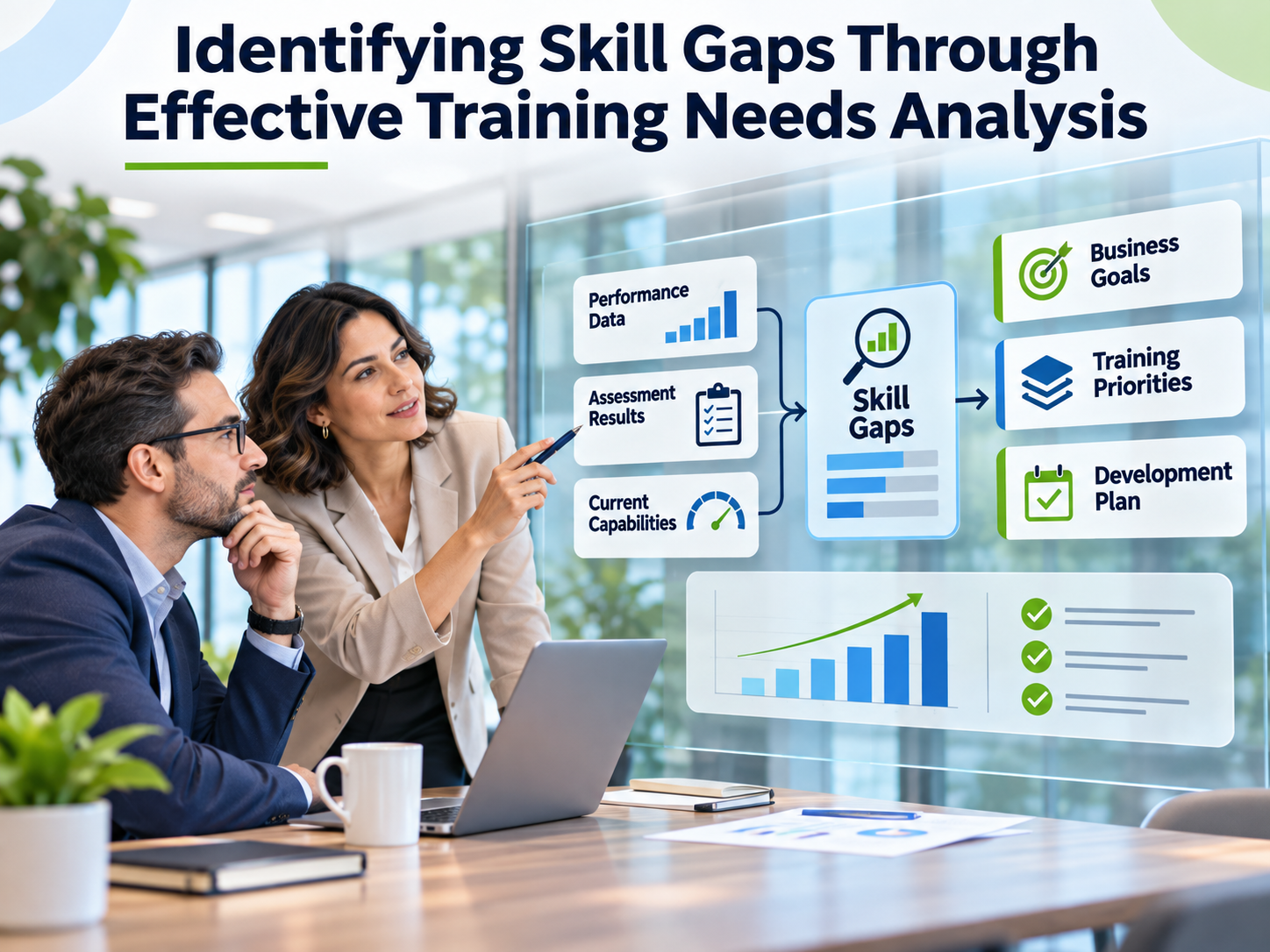
Identifying Skill Gaps Through Effective Training Needs Analysis

Identifying Skill Gaps Through Effective Training Needs Analysis

Identifying Skill Gaps Through Effective Training Needs Analysis Organizations rely on employee skills to meet performance goals and support business growth. When skill gaps exist, productivity can de…

Nov 18, 2026, 10:45:00 AM 2 min read